TEMPLATE – Herb Layout
AYURVEDIC HERB Home /
TEMPLATE – Herb Layout Read More »
The Secret Engine of Health: Mastering Your Inner Fire In Ayurveda, Agni is not just a concept; it is the vital, transformative force responsible for all biological functions, metabolism, and immunity. Often translated as the “digestive fire,” Agni is the foundational intelligence that converts food into nourishment, processes emotions, and prevents the buildup of toxins
Agni (Digestive Fire): How to Boost it for Optimal Metabolism Read More »
Your Gentle, Seasonal Guide to a Full Body and Mind Reset Feeling sluggish, foggy, or just a little “off-balance”? The ancient science of Ayurveda teaches that accumulated toxins, known as Ama, are the root cause of imbalance, building up from stress, poor diet, and environmental factors. While the comprehensive Panchakarma process is performed in specialized
Panchakarma at Home: Simple DIY Ayurvedic Detox Practices Read More »
Unlocking True Digestive Wellness: The Ayurvedic Solution The modern epidemic of Ayurvedic Way to Leaky Gut Syndrome, or increased intestinal permeability, is often the unrecognized root cause of chronic inflammation, autoimmune disorders, food sensitivities, and persistent digestive distress. While conventional wisdom frequently focuses on probiotics and temporary dietary restrictions, the ancient holistic science of Ayurveda
The Ayurvedic Way to Heal Leaky Gut: An Herb and Diet Guide Read More »
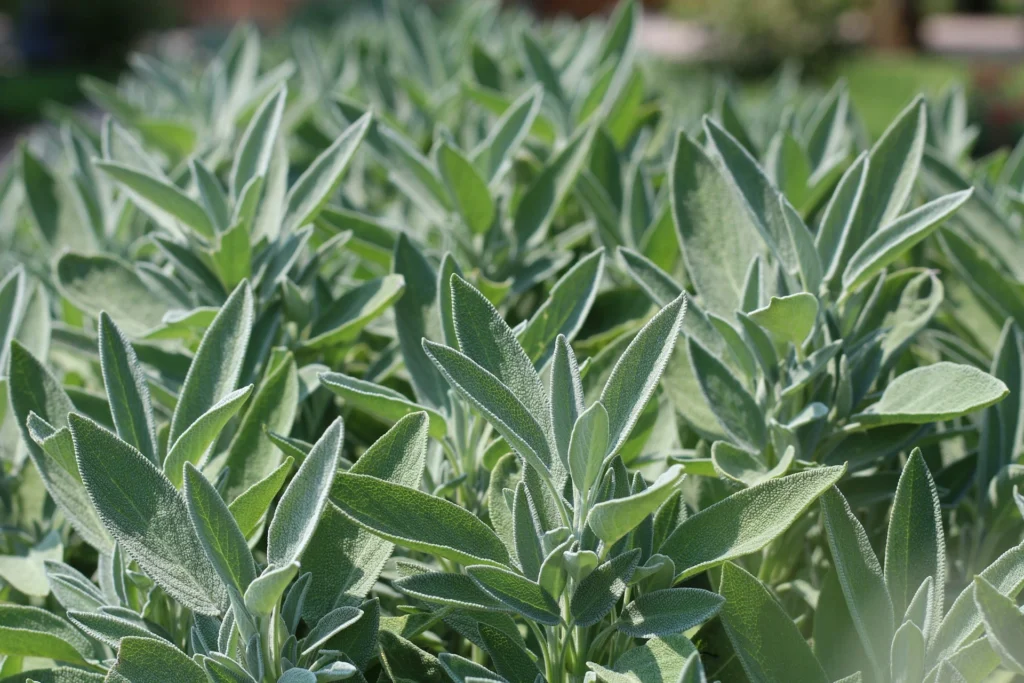
What is Sage? Sage, also known as common sage or garden sage, with the scientific name Salvia officinalis, is a well-known herb beloved for its bold, earthy flavor. It belongs to the mint family, which includes other aromatic herbs like oregano, rosemary, basil, and thyme. Due to its strong taste, sage is typically used in
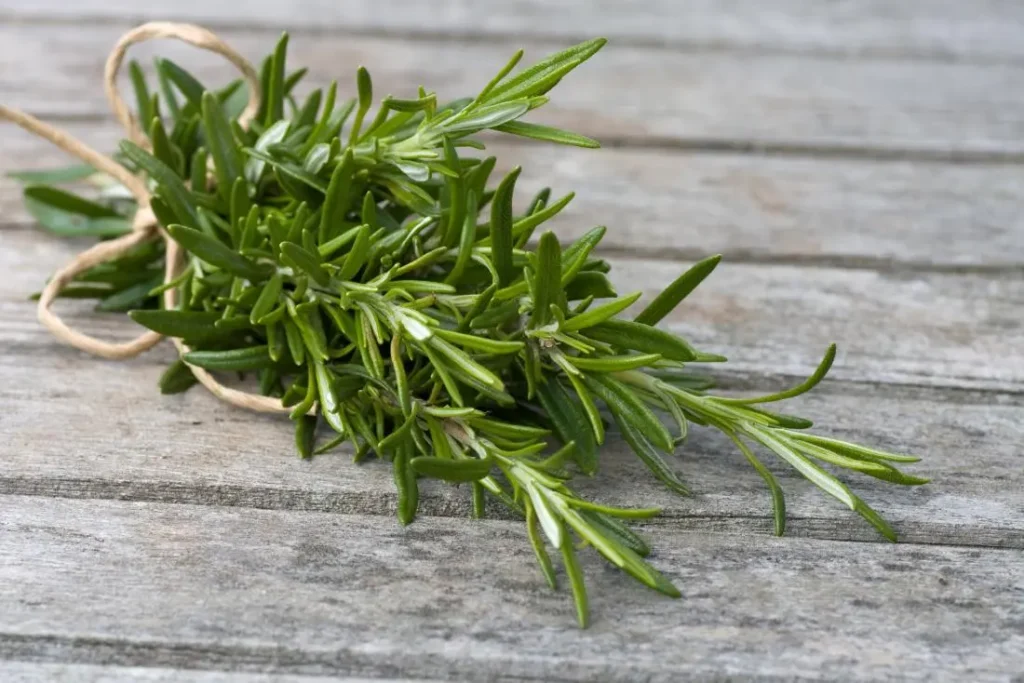
Rosemary (Rosmarinus officinalis) is a fragrant, evergreen herb native to the Mediterranean region, renowned for its culinary uses and potential health benefits. It belongs to the mint family (Lamiaceae) and is commonly used in cooking, particularly in Mediterranean and Middle Eastern dishes. Its leaves, which have a pine-like scent and a savory, slightly bitter flavor,
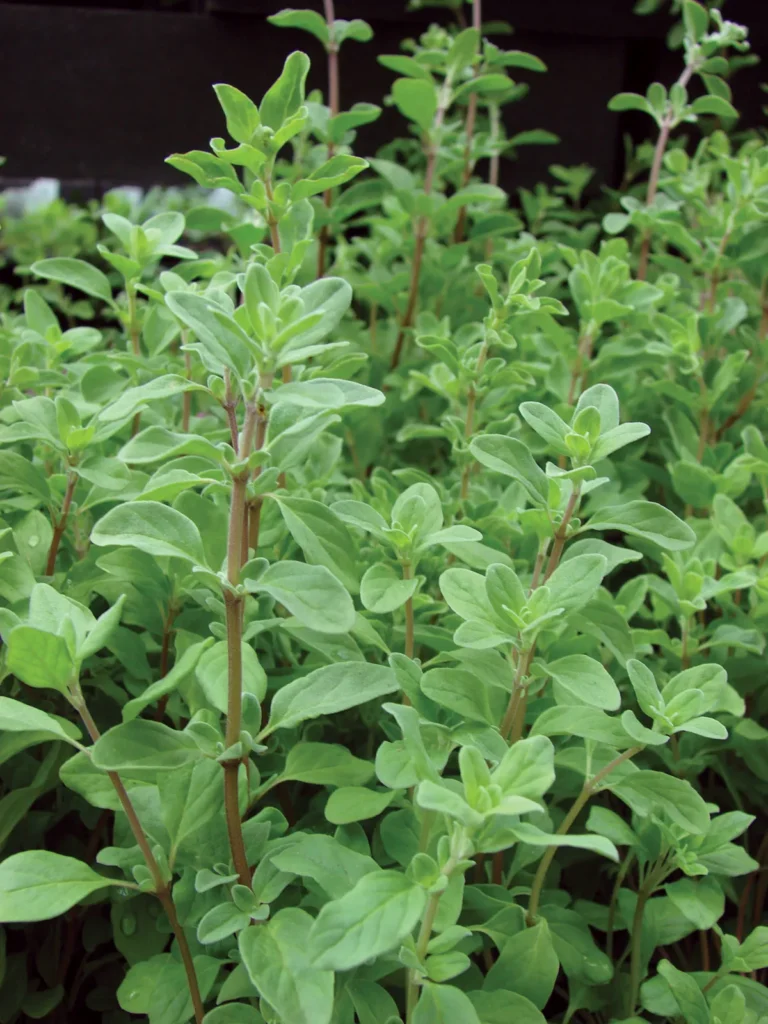
Marjoram (Origanum majorana) is a fragrant herb from the mint family, widely used in Mediterranean and Middle Eastern cuisines. It’s known for its citrus and pine flavor, and its dried leaves are used to season a variety of dishes, such as soups, meats, and salads. Marjoram’s medicinal uses date back centuries, and it has several
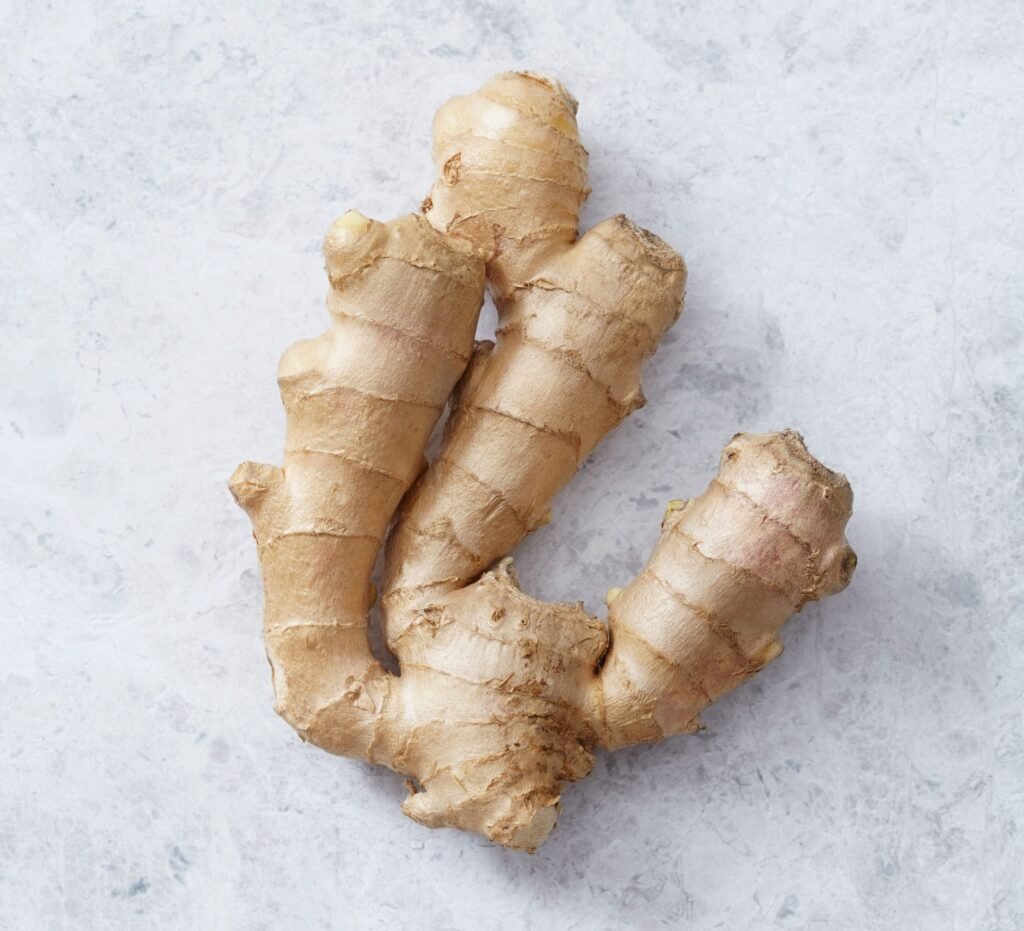
Uses and Benefits of Ginger: Digestive Health: Benefit: Ginger aids digestion by increasing saliva and bile production, which helps to break down food and improve absorption of nutrients. Use: It is commonly used to treat nausea, vomiting, and indigestion. It can be especially helpful for pregnant women dealing with morning sickness or chemotherapy patients facing
Ginger (Zingiber officinale) is a popular spice and medicinal herb with a long history of use across various cultures for both culinary and therapeutic purposes. This flowering plant, native to Southeast Asia, belongs to the Zingiberaceae family, which also includes turmeric, cardamom, and galangal. The part of the plant most commonly used is the rhizome
Dill (Anethum graveolens) Dill, also known as dill weed, is a fragrant herb commonly used in European and Asian cuisines. It has slender stems, soft leaves, and aromatic, brown, oval seeds. The leaves offer a mild, grassy flavor, while the seeds are more aromatic with a slight citrus note similar to caraway seeds. Dill is